
ID001
BAAK
A shared logistics mobility network
The Challenge
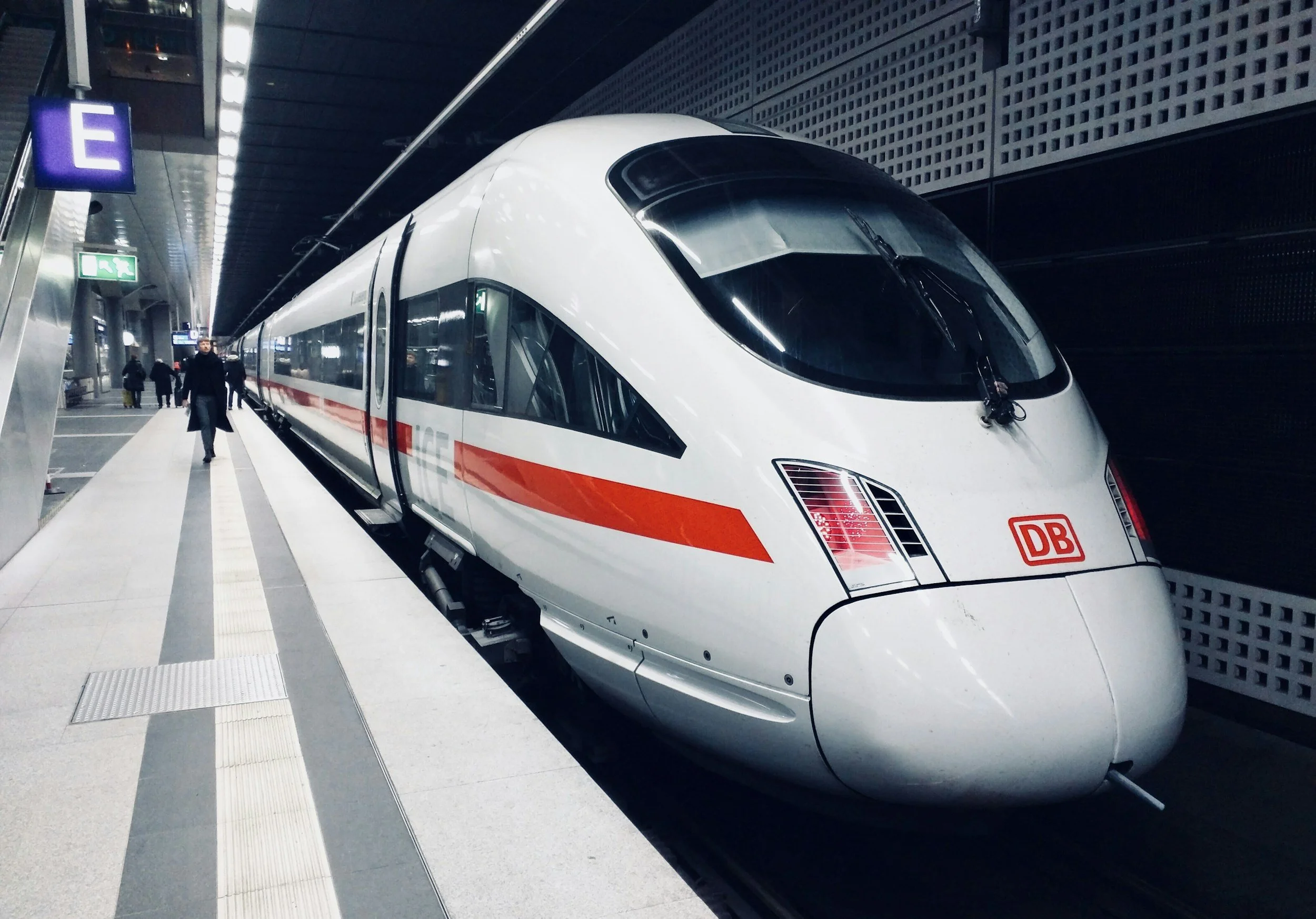
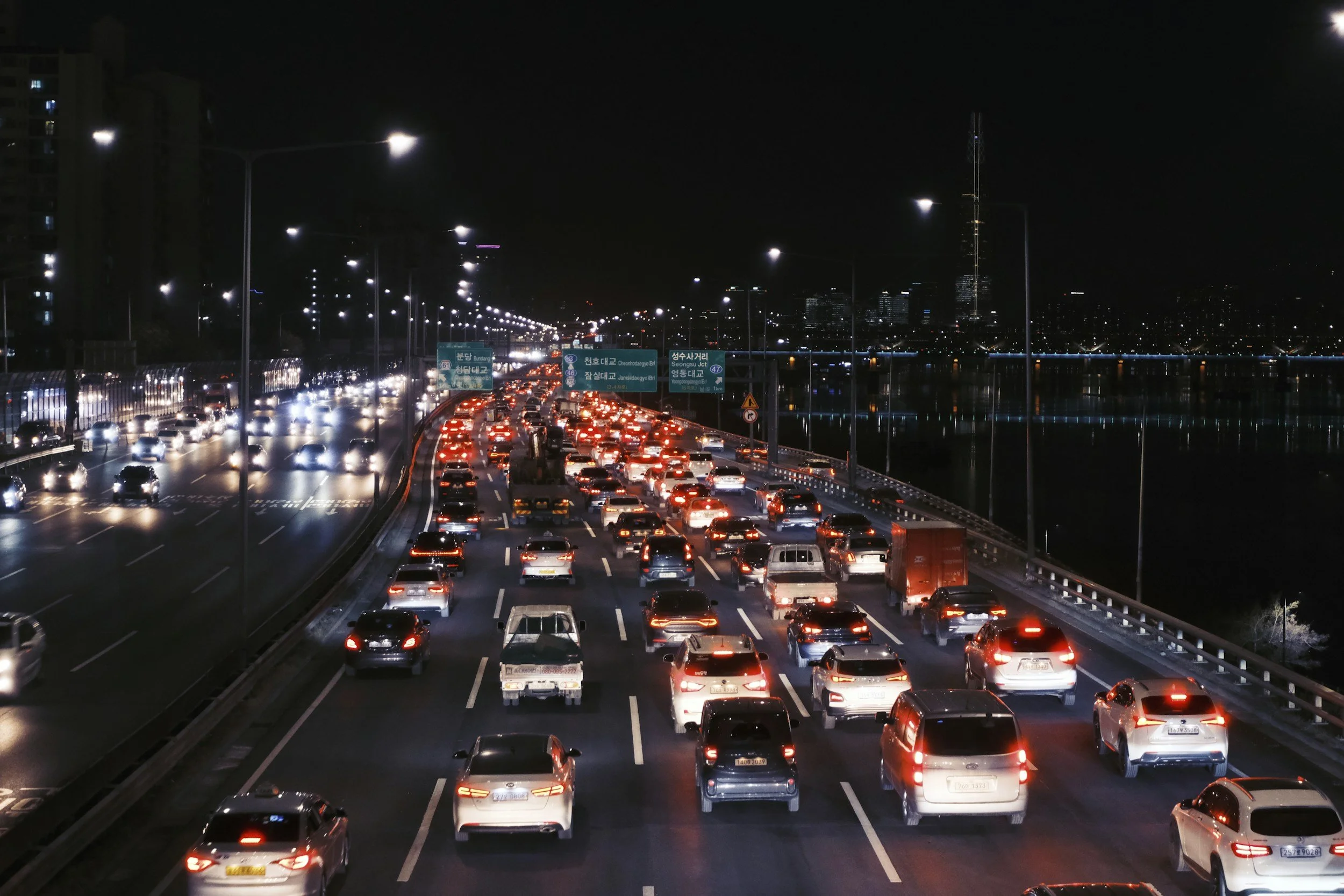
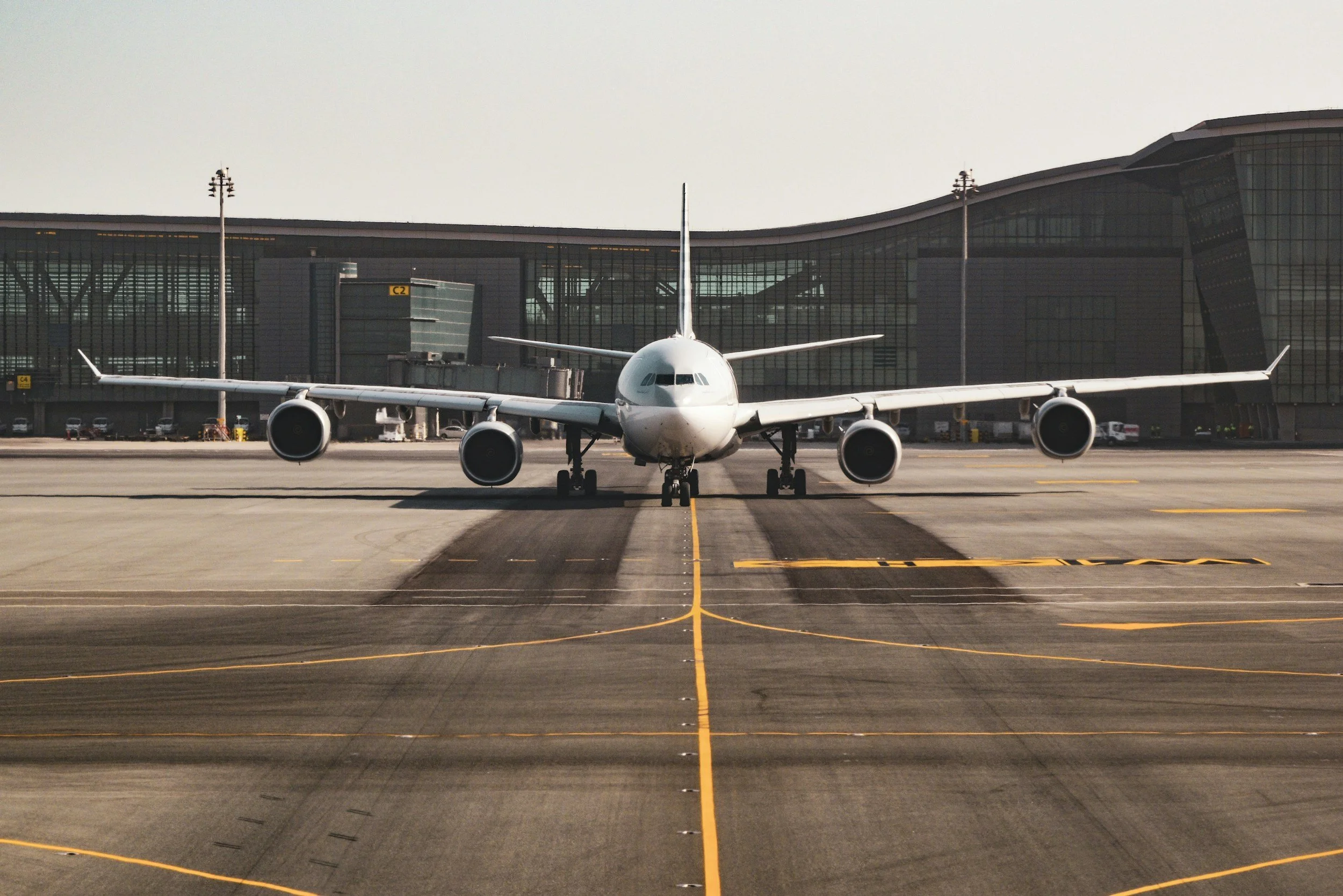
Two vast mobility systems, operating in parallel: one moves people, the other moves things. Do they need to continue to be separate?
The Opportunity
Cities are constantly in motion. Every day, millions of trips unfold with quiet predictability: commuters riding trains, cars tracing familiar routes, buses repeating their loops. At the very same time, an entirely separate choreography plays out alongside them — vans, couriers, and delivery fleets working tirelessly to move goods through the same streets. Today, there exists two vast mobility systems, operating in parallel: one that moves people, the other that moves things.
The separation feels natural, yet it is surprisingly inefficient. Both networks consume energy, duplicate routes, and compete for space, often without ever acknowledging each other. As ride-sharing and shared transportation continue to reshape how humans move through cities, an obvious question begins to surface: do people and parcels really need to continue to travel apart?
BAAK imagines a future where they do not.
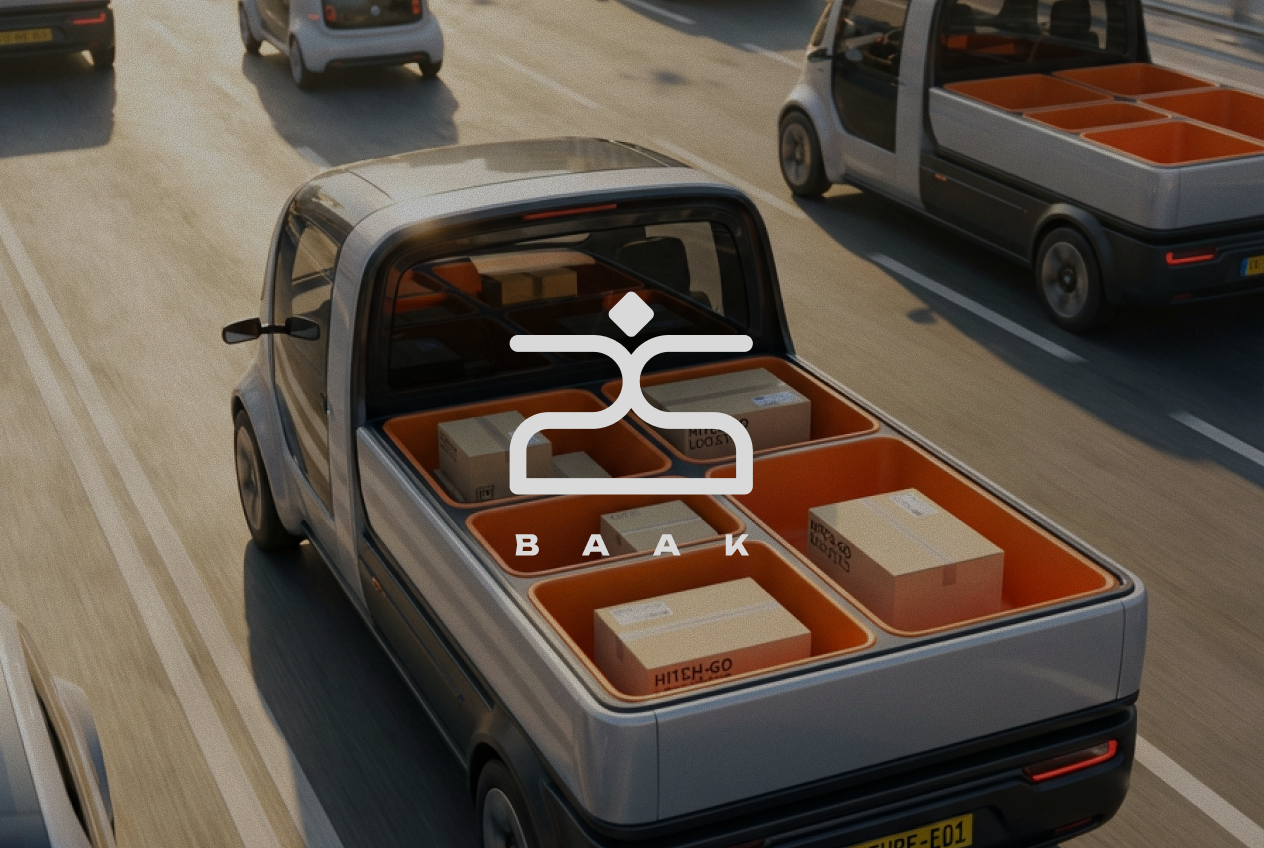
BAAK is a proposal for a future logistics system that collapses this divide.
Rather than introducing more vehicles, more infrastructure, or more logistical layers, BAAK proposes a subtler shift: parcels become passengers, quietly hitching rides on the mobility flows that already exist. With BAAK, delivery drones, autonomous carts, and cargo units aren’t moving around as independent actors, but rather as opportunistic riders piggybacking within a shared transportation ecosystem.
Imagine it: a parcel catching the subway, a delivery robot riding alongside a commuter, or a drone hitching a ride on a freight train. It’s a future where cargo moves by joining journeys already in progress.
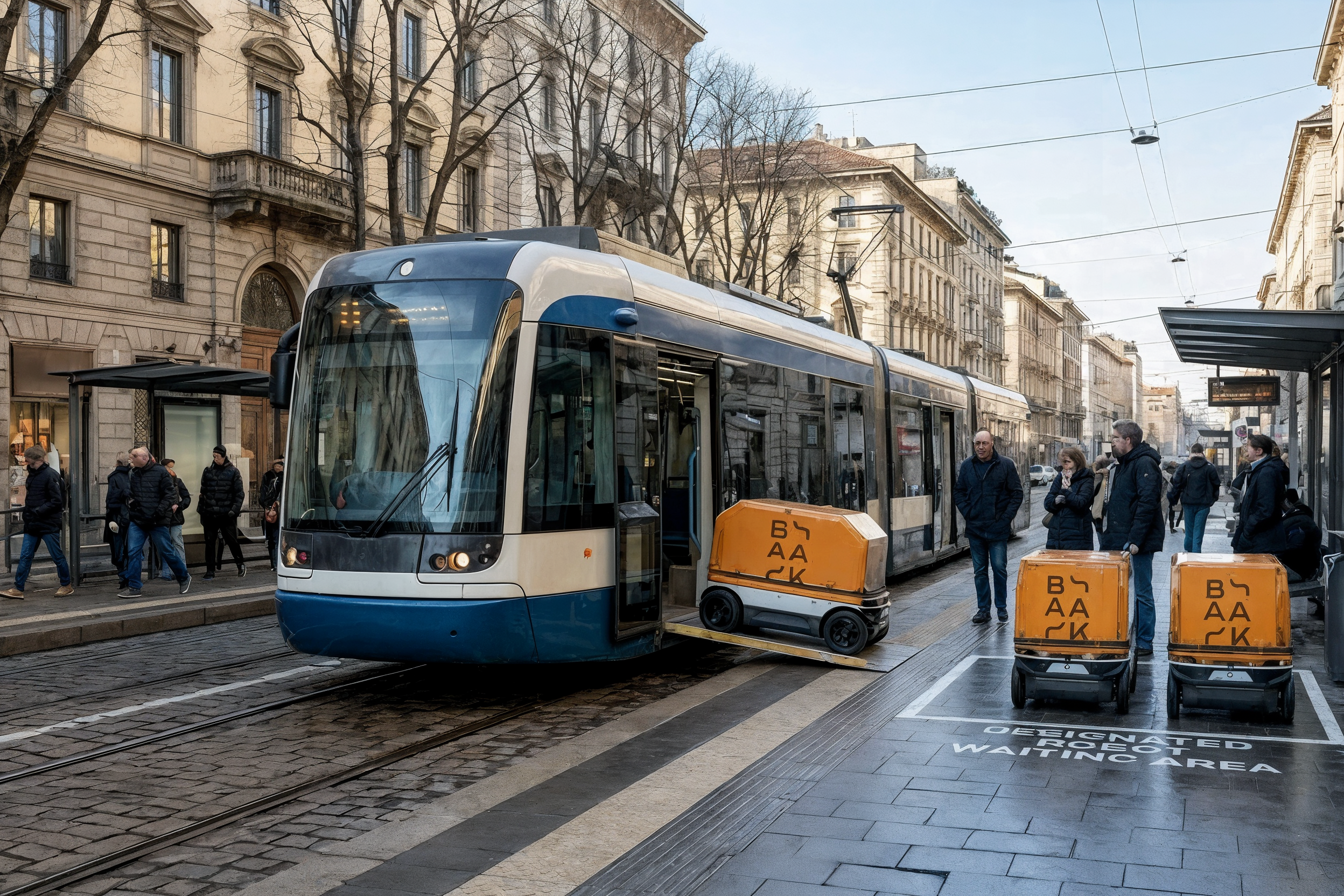
At a systems level, BAAK reframes mobility as a single, integrated network that coordinates the movement of people and packages with synchronized intelligence. Instead of every autonomous device expending its own energy across long distances, range is extended through cooperation. Energy use becomes synchronized, piggybacking on routes that would exist regardless.
The implications of such a system are quietly significant. There are fewer redundant trips, fewer dedicated delivery vehicles on the roads, and overall less congestion competing for curb space. Logistics becomes less about adding delivery vehicles to the roads, and more about creatively reimagining how things move around using existing mobility patterns.
At a systems level, BAAK reframes mobility as a single, integrated ecosystem — one that moves people and goods together, intelligently and efficiently.


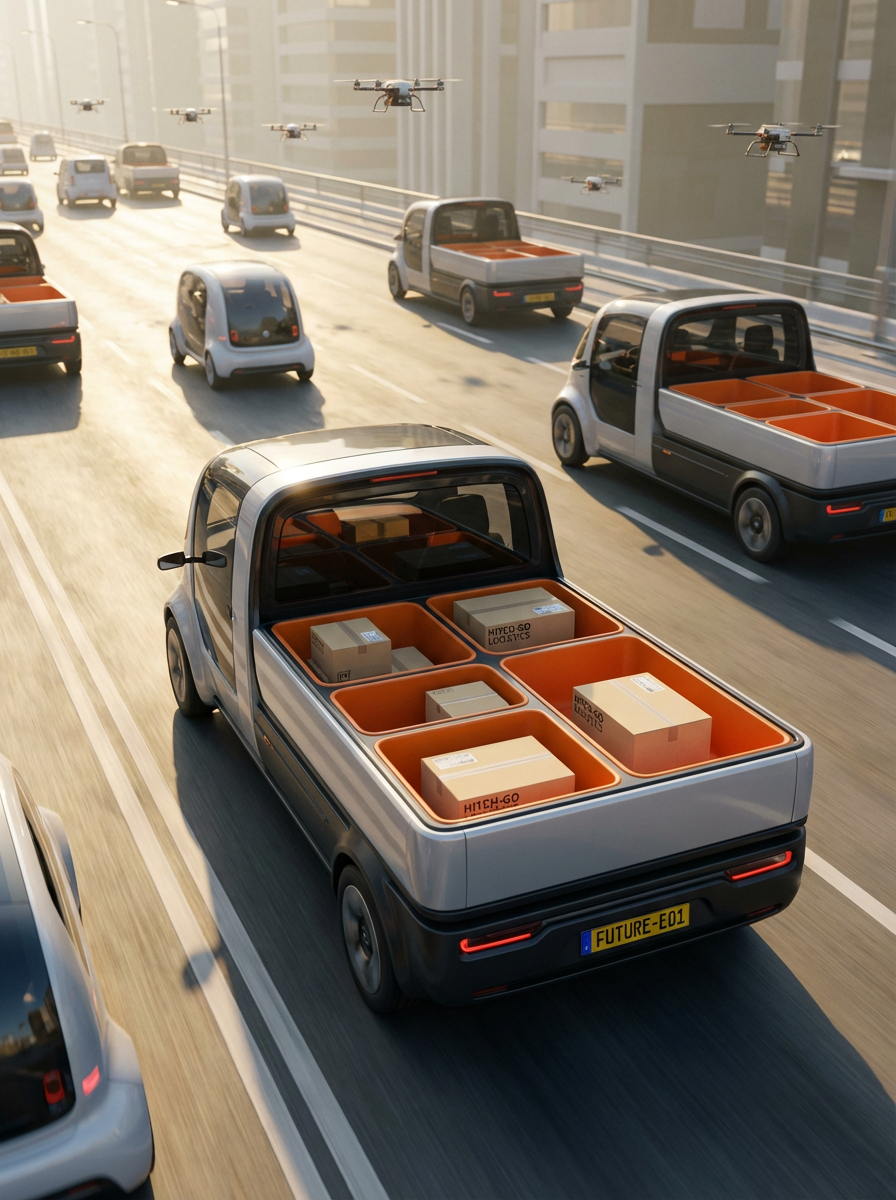
Trains, public transit networks, and even commuters all exhibit predictable, recurring mobility patterns that can be leveraged by BAAK. These become stable arteries for hybridized logistics movement.
In the near future, it’s anticipated that through shared telematics and an AI-driven coordination layer, BAAK would be able to continuously assess routes based on speed, energy efficiency, congestion, and emissions. When everything can know securely where everyone and everything else is going, parcels can dynamically choose the most sustainable routes; sometimes hopping, sometimes riding, sometimes waiting for the right ride.

Businesses and individuals can to act as “BAAKers,” allowing autonomous cargo units to share unused capacity within private trips or semi-private infrastructure. Giving a ride to a parcel becomes as unremarkable as carrying an extra passenger, with micro-incentives compensating for the energy cost.
While the vision may sound futuristic, its building blocks are already visible. Commercial airlines have long merged passenger and cargo flows to optimize efficiency. Similarly, ride-sharing platforms are blending passenger transport with on-demand parcel delivery. When it comes to urban logistics, Madrid has already piloted urban freight moving through its metro system during off-peak hours, showcasing how public transit can be used as an urban freight mover. Several years ago, researchers explored extending the range of drones by landing on public transportation, seeing if this could make sense to save energy by leveraging systems that already exist in cities. Finally, in Shenzhen, autonomous delivery robots are already riding the subway to move through the city.
The signals are scattered but unmistakable. Future mobility will be more energy efficient, convenient, and integrated.
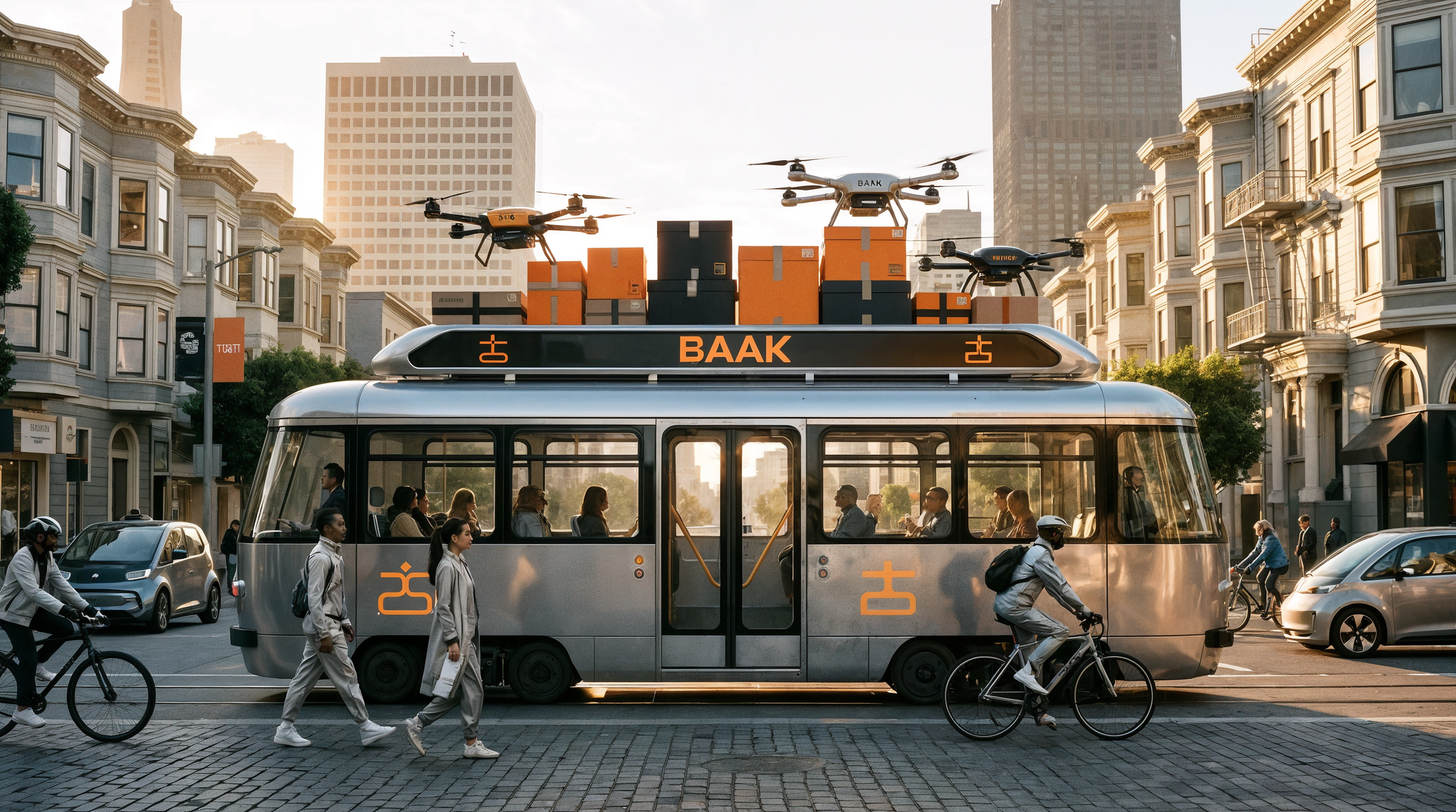
BAAK asks what the future could look like if a system such as BAAK existed to unify, monetize, and simplify the two main types of urban mobility networks?
In doing so, it proposes a different future for urban transportation: one where movement is shared more broadly, infrastructure is used more fully, and the distinction between passenger and parcel begins to blur for a better future.