
ID002
PLANKTON
A network for urban last-mile delivery
The Challenge
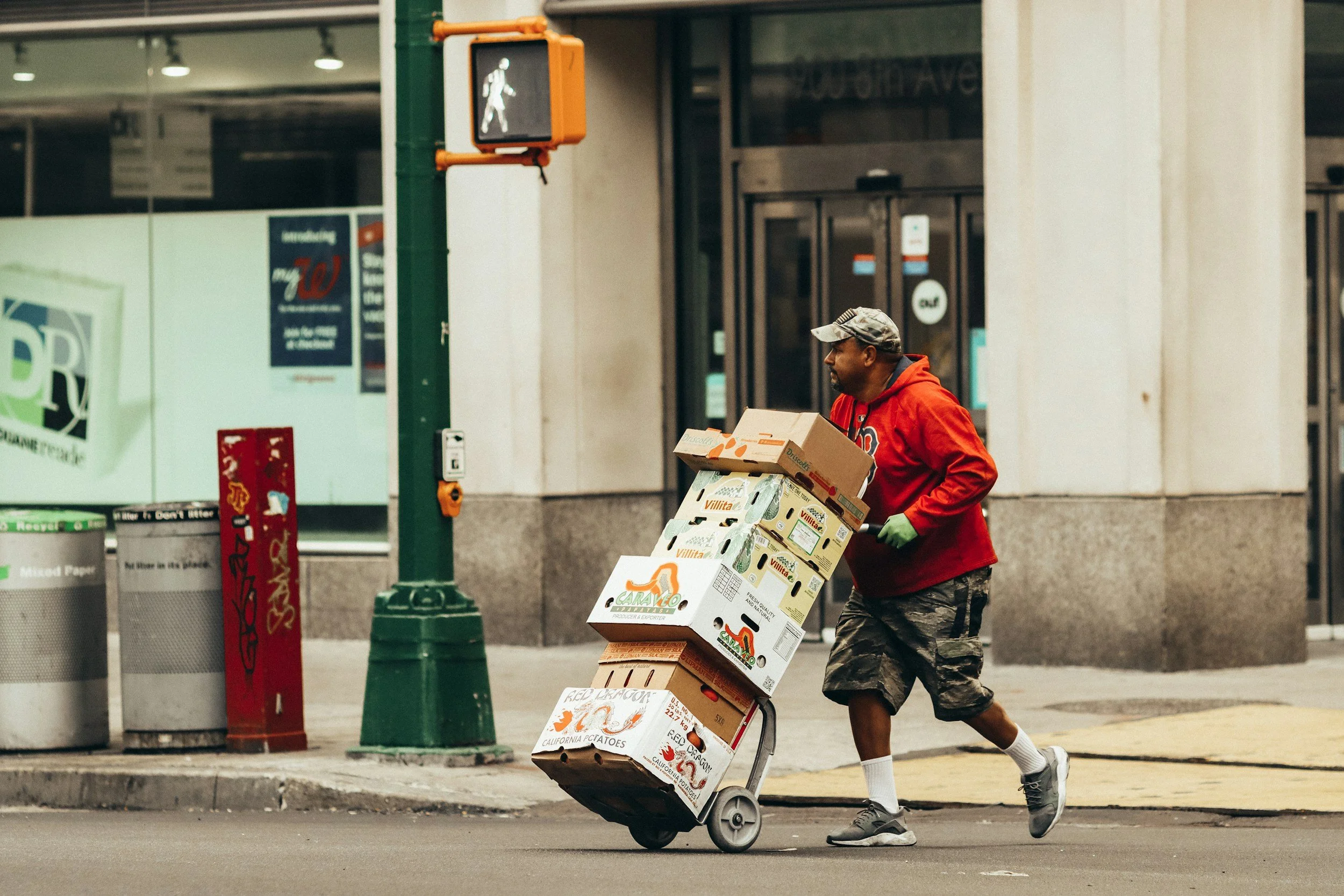
Urban deliveries have quietly become one of the most persistent frictions of contemporary city life. Parcels arrive unpredictably, vanish from doorsteps, or require inconvenient trips across town. Hidden fees and vague delivery windows have normalized a peculiar contradiction: a system designed for convenience that frequently delivers the opposite.
The Opportunity
Behind the scenes, the problem is structural. Billions of parcels circulate through global logistics networks every year, many destined for dense urban neighbourhoods. Yet the final step — the last mile between distribution centre and customer — remains the most expensive, energy-intensive, and operationally unpredictable segment of the entire chain. Logistics providers struggle to optimize it and customers are often left absorbing these inefficiencies.
At the same time, the rise of eCommerce continues to reshape urban economies. As purchasing migrates online, local businesses face declining foot traffic and shrinking margins, even as cities become more saturated with delivery vehicles attempting to service dispersed residential endpoints. The system strains both commerce and infrastructure.
What if there was a way to smooth out these customer pain points and at the same time, reduce unnecessary energy expenditures and carbon emissions?
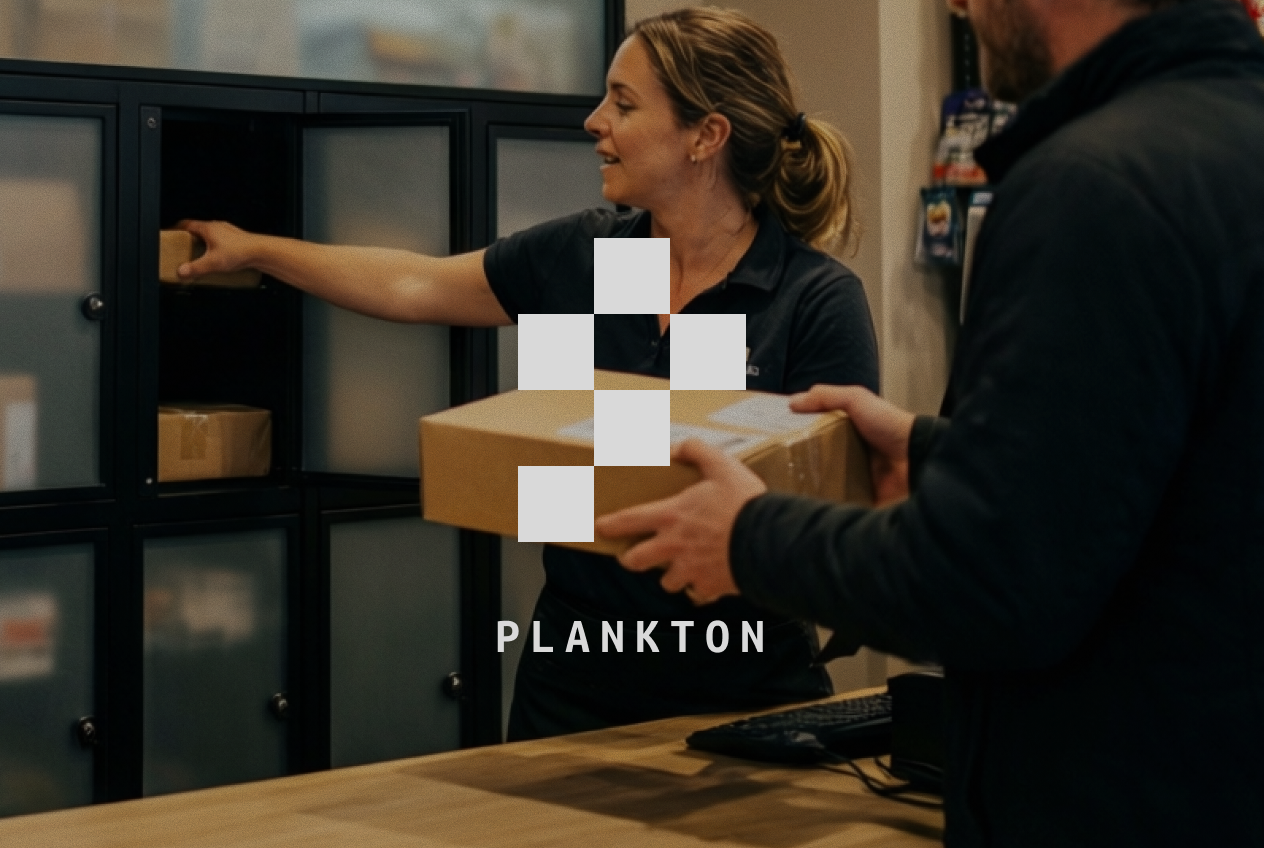
Simplified on-demand urban deliveries that support local and benefits the environment.
Named after phytoplankton, Plankton draws on a simple principle of nature: the smallest agents, multiplied across a system, can transform environments.
Instead of treating individual homes as isolated delivery destinations, Plankton envisions cities as layered networks of shared access points. Neighbourhood businesses and modular locker infrastructure become a distributed delivery fabric, absorbing the instability of the last mile while strengthening local retail ecosystems.
Within the Plankton network, parcels no longer arrive at doorsteps by default. They land securely within a constellation of Plankton Hubs, which are participating local businesses acting as micro-distribution nodes, or Plankton Cubes, purpose-built locker containers embedded directly into neighbourhood streetscapes. In this way, deliveries are reframed as a true convenience rather than a potential disruption to a customer’s day.


For customers, the shift is subtle but important. Little things like delivery timing becomes precise rather than approximate. Shipments from multiple vendors can be consolidated before final movement, and parcels remain secure at all times, detached from the vulnerabilities of residential drop-offs. Plankton helps transform the last mile from a logistical gamble into a scheduled choice.
Once parcels are requested for delivery, movement within the network is equally fluid. Bike couriers, electric vehicles, and autonomous systems handle on-demand transport, allowing parcels to travel when needed rather than when routing algorithms dictate.


For local businesses, participation as a Plankton Hub introduces a new role within the urban economy. When businesses act as Hubs, it generates additional foot traffic and embeds retailers directly into the logistics layer of the city. Delivery infrastructure, long external to neighbourhood commerce, becomes a source of community interaction rather than disruption. It gives customers yet another reason to discover their businesses.
Plankton features TON+ Points, an incentive layer designed to reward behaviours that reinforce network efficiency and local engagement. Customers accumulate rewards through usage and can redeem them at participating businesses or toward future deliveries, subtly aligning convenience with community-scale economic activity.
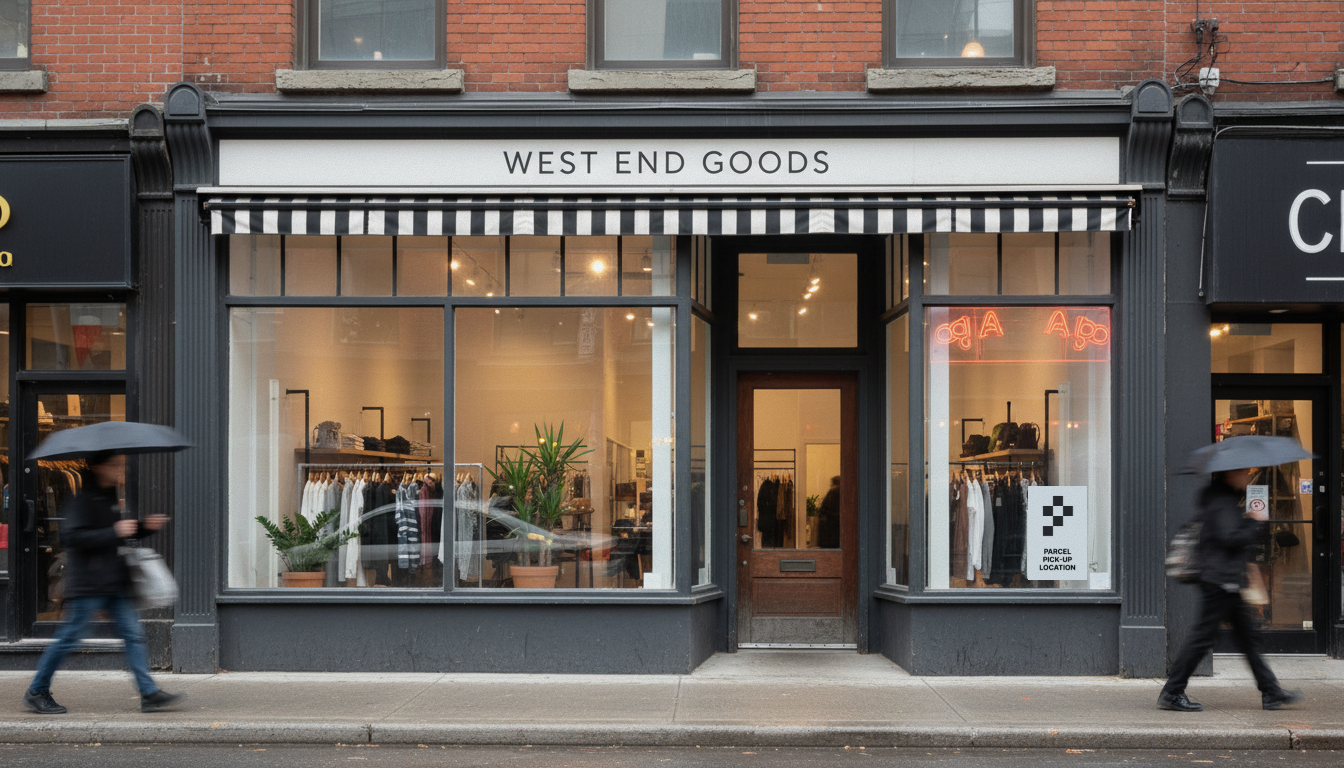
Plankton Hub
Local businesses participate as micro-distribution nodes, serving as pick-up and drop-off points within walking distance of customers. Hubs introduce new foot traffic while embedding logistics into existing retail ecosystems.
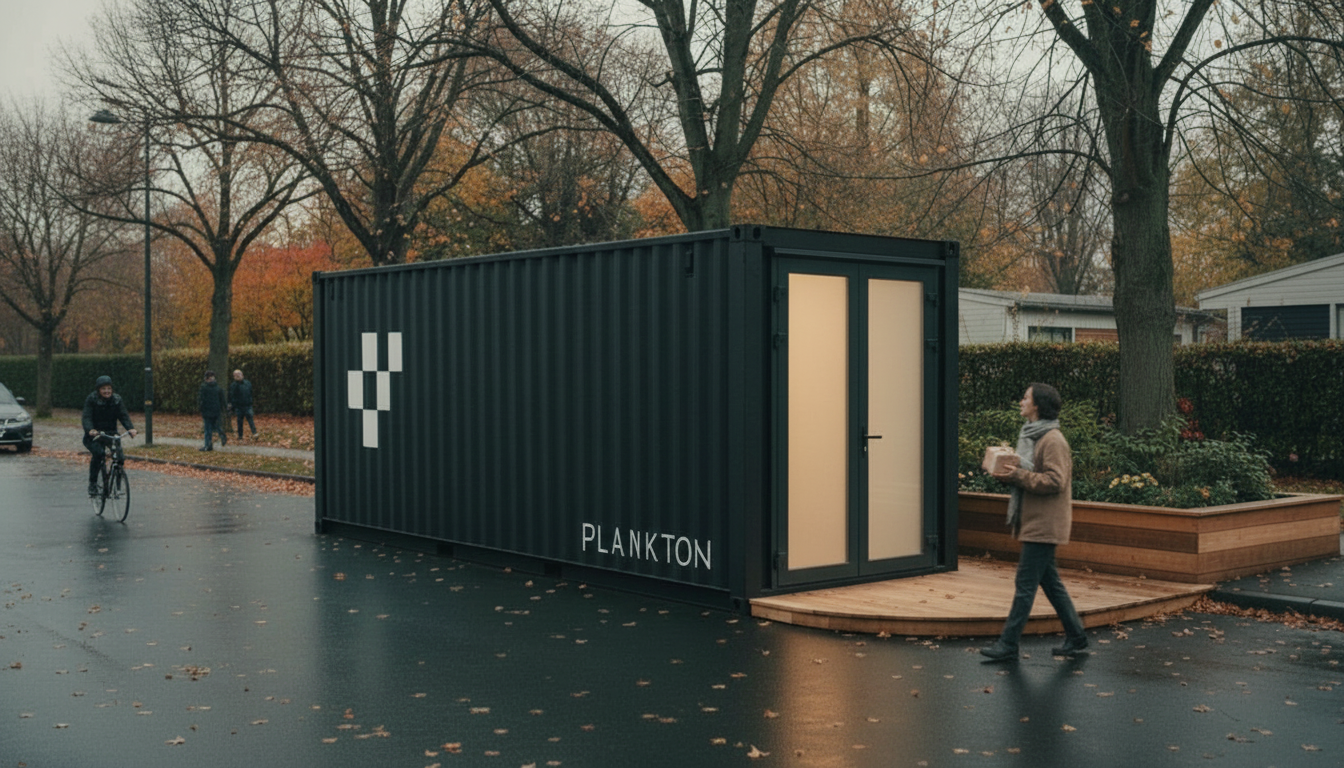
Plankton Cube
Secure, self-serve locker containers positioned in neighbourhoods, streetscapes, and shared urban spaces. Cubes provide reliable delivery access without requiring recipient presence.

On-Demand Delivery
Flexible last-mile movement via bike couriers, electric vehicles, and autonomous systems, allowing deliveries to align with real customer schedules rather than static routes.

Self-Serve PU/DO
Lockers integrated into participating locations, enabling frictionless hand-offs between customers, drivers, and businesses.
With this project, what emerges is not simply a better pick-up/delivery service for the future, but an alternative model of urban logistics that supports local economies. With Plankton, logistics is redistributed to improve access, reduce uncertainty, and treat the city itself as a cooperative network rather than a collection of isolated addresses.
It’s a business we see as highly plausible for the near-future. One that’s ripe for the taking if you have the time, energy, and will to see it through!